
Introduction
In many CNC machining projects, one of the first decisions engineers face is whether to use milling or turning.
At first glance, the difference seems simple — one uses rotating tools, the other uses rotating parts.
But in real production, the choice often affects machining cost, lead time, and even part performance.
In this guide, we focus on practical decision-making based on real part geometry and application, not just definitions.
What is CNC Milling?
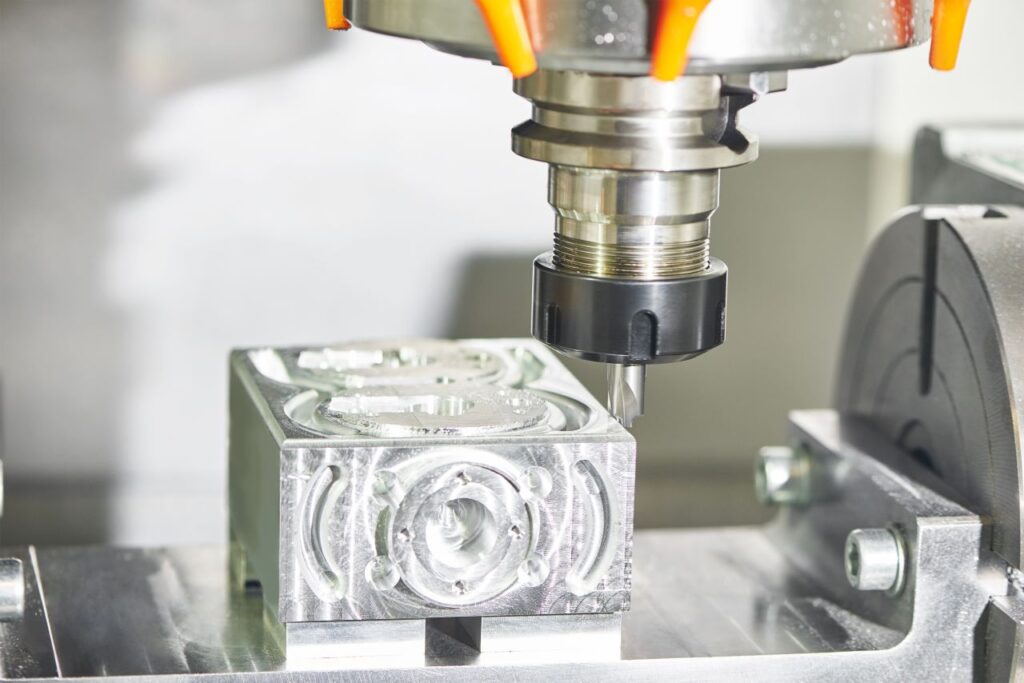
CNC milling is commonly used for parts that require complex geometries, multiple surfaces, or detailed features.
Typical examples include housings, brackets, and plates with pockets or slots.
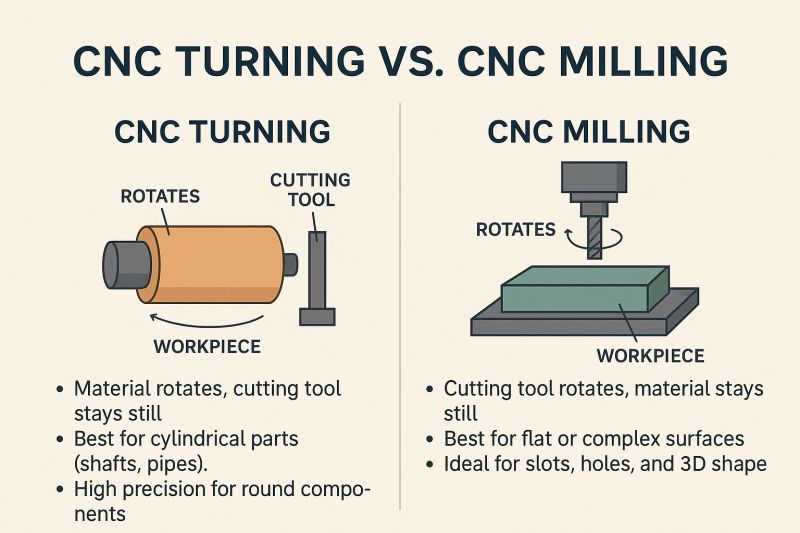
The cutting tool rotates while the workpiece remains fixed, allowing machining from different angles.

What is CNC Turning?
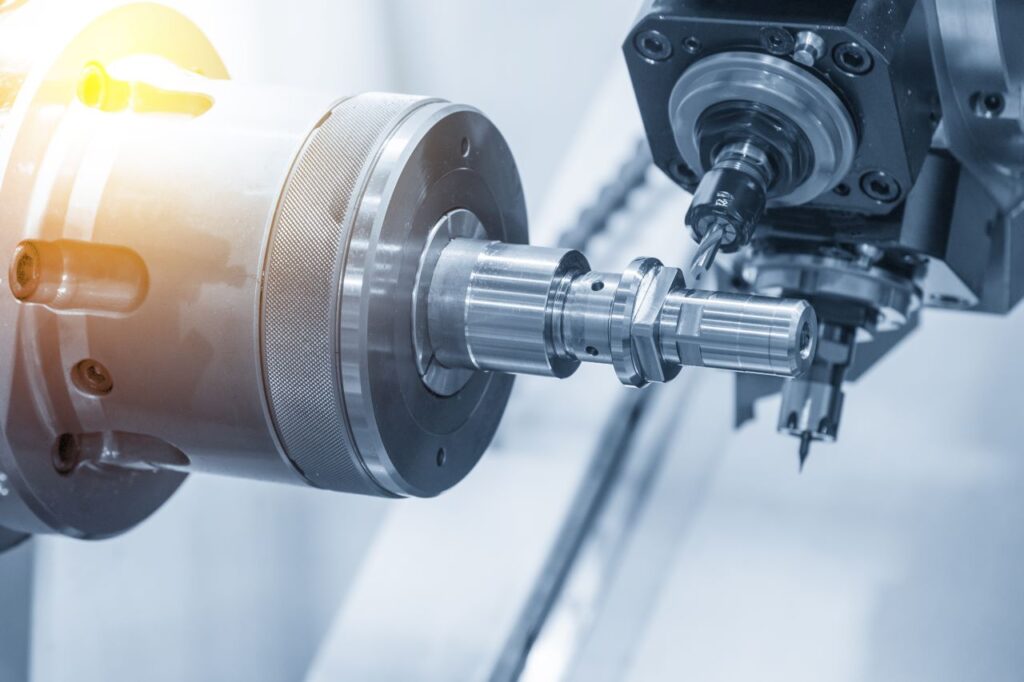
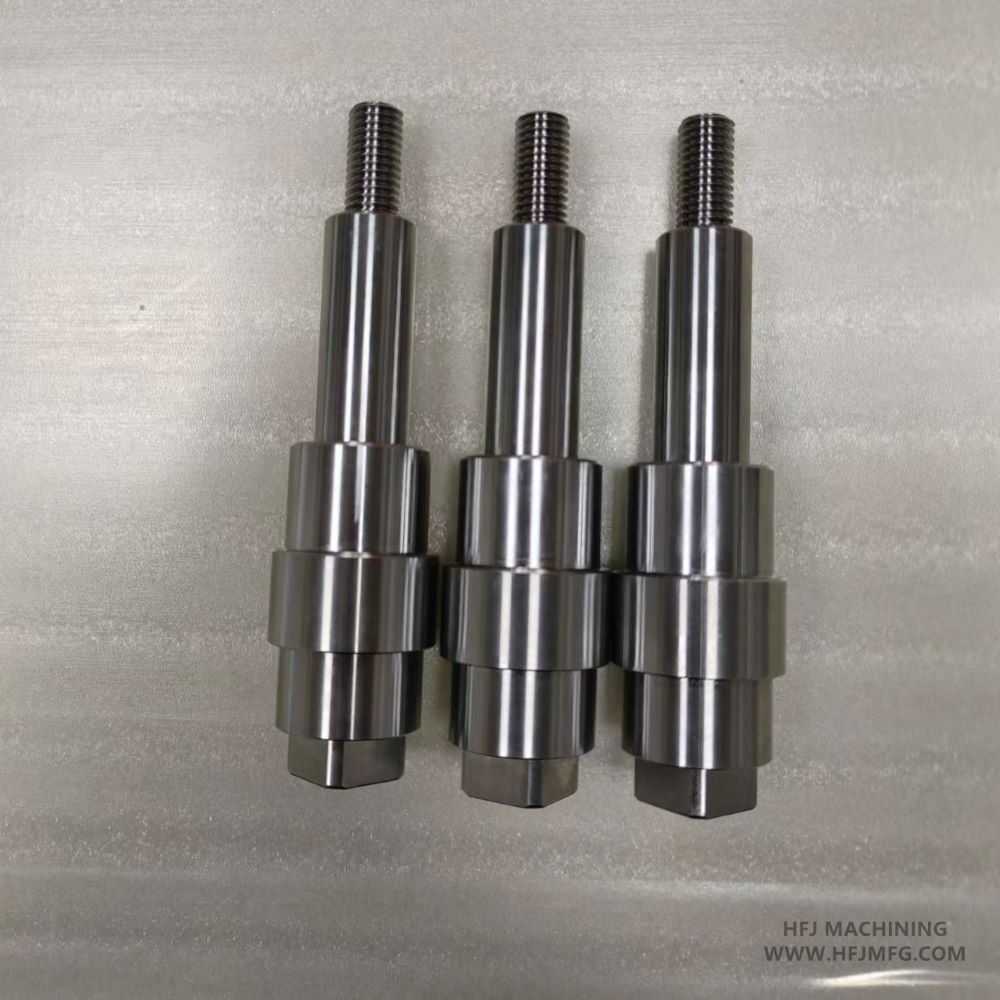
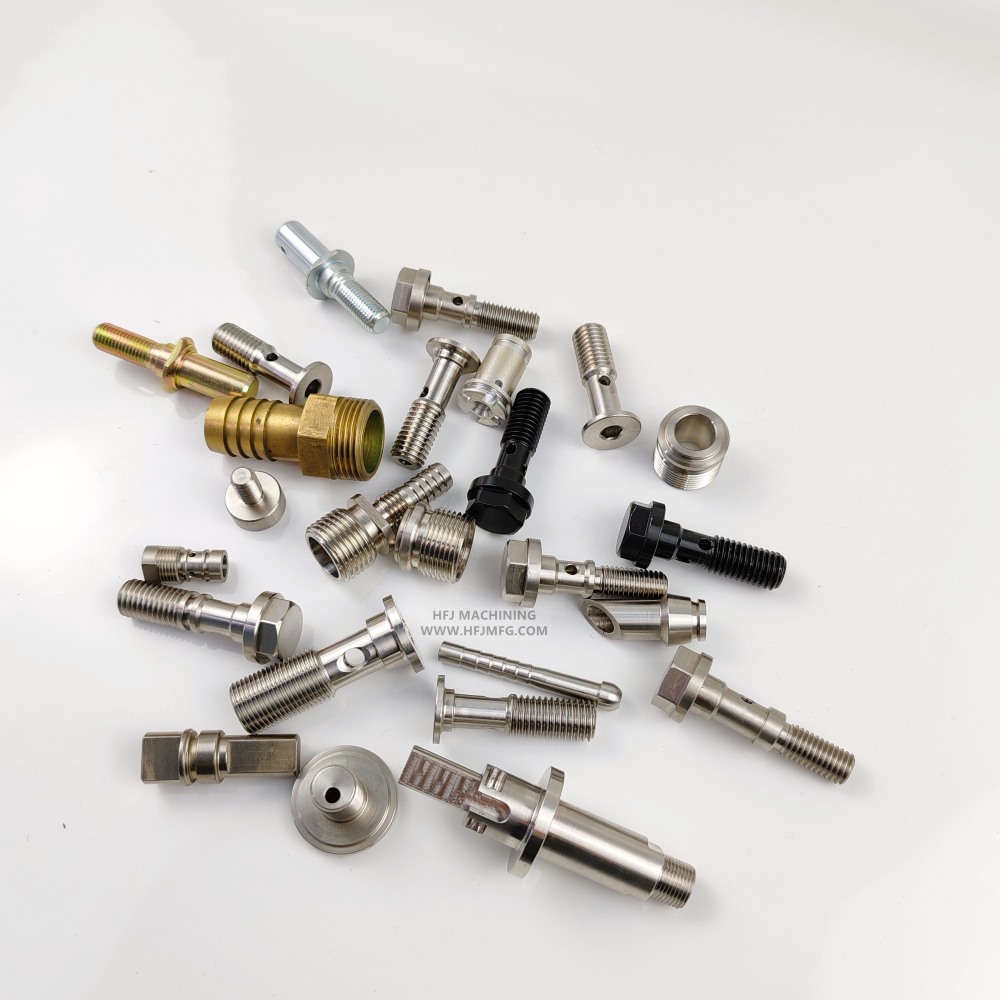
CNC turning is mainly used for cylindrical parts such as shafts, bushings, and threaded components.
It is preferred when high concentricity and smooth round profiles are required.
The workpiece rotates while the cutting tool moves along its axis.
CNC Milling vs CNC Turning: Key Differences
In practice, the difference between milling and turning is not just about motion, but about part structure and manufacturing efficiency.
- Milling is preferred for prismatic parts, housings, and multi-feature components
- Turning is ideal for round parts where symmetry and balance are important
Choosing the wrong process can increase machining time and cost significantly.
👉 If you want to understand how machining decisions affect pricing, you can also read our detailed guide on CNC machining cost.
When Should You Choose CNC Milling?
In many machining projects, engineers choose milling when:
- The part has complex geometry or irregular shape
- Multiple faces need to be machined
- Features like pockets, slots, or holes are required
- Tight tolerances across different surfaces are needed
Milling is often used in aerospace, electronics housings, and structural components.
When Should You Choose CNC Turning?
Turning is usually selected when:
- The part is cylindrical or axis-symmetric
- High concentricity is required
- Smooth surface finish on round profiles is important
- The part includes threads or grooves
Common turning parts include shafts, bushings, connectors, and fasteners.
Common Mistakes When Choosing Between Milling and Turning
One common issue buyers face is selecting a machining method based on assumptions rather than part geometry.
For example:
- Using milling for parts that could be turned faster and cheaper
- Ignoring secondary operations such as drilling or slotting
- Overlooking tolerance requirements that affect process selection
In many machining projects, these decisions can lead to unnecessary cost or longer lead times.
Can Milling and Turning Be Combined?
In real-world production, many parts are not limited to just one process.
For example, a shaft may require:
- Turning for the main diameter
- Milling for keyways or cross holes
HFJ Machining Insight:
For many shaft parts with keyways or cross holes,
we usually combine turning and milling processes
instead of using milling alone.
This helps reduce machining time while maintaining dimensional accuracy.
A Practical Example from Real Projects
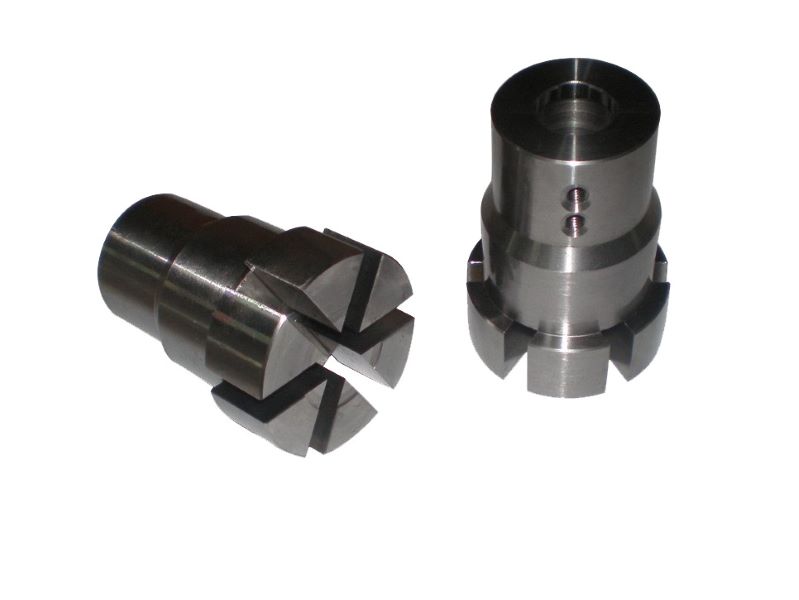
In one project, a customer initially designed a shaft-like component to be milled.
After reviewing the geometry, we suggested switching to turning with secondary milling for cross features.
This reduced machining time by over 30% and improved consistency in batch production.
Final Thoughts: Choosing the Right Process
Choosing between CNC milling and turning is not just a technical decision, but a practical one that affects cost, lead time, and product performance.
If you are not sure which process is suitable for your part, it is often more efficient to review the drawing before production.
👉Learn more about our CNC machining capabilities here: CNC machining services.
👉Learn more about tolerance in CNC machining here: CNC Machining Tolerances.
If you are sourcing CNC parts and need help evaluating a drawing, feel free to send your drawings to HFJ for review.